Pet Dental Care in Ames, IA
Contrary to popular belief, “dog breath” is not normal. Nor is it enjoyable for you or your pet.
As part of your pet’s annual wellness appointment, your veterinarian will perform a comprehensive oral exam. Based on the size, age, breed, and health of your pet, the doctor will make recommendations for appropriate pet dental care and oral health at that time.
What’s the worst that could happen?
You might be thinking, so their breath is a little stinky…it can’t be that big of a deal, right? Without proper dental care (every 6 to 12 months, just like other members of your family), dogs and cats get periodontal disease. In addition to causing pain and sensitivity in the mouth, periodontal disease has been associated with the spread of bacteria to the heart, kidneys, and liver.
What happens at a dental appointment?
To help keep the animals comfortable and calm, they receive monitoring and support (just as any other veterinary surgical patient), including: continual monitoring when anesthesia is used, intravenous (IV) fluids, and a blanket to maintain his or her body temperature.

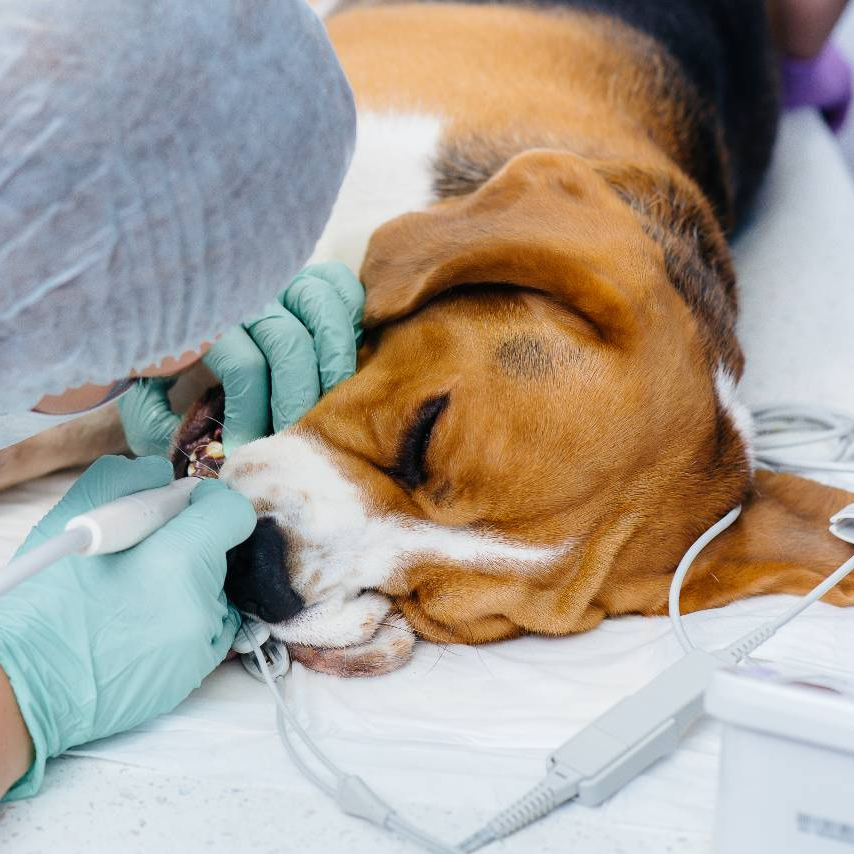
Our dental veterinary services include:
- Professional dental cleaning (prophylaxis) removes the plaque and tartar (calculus) above and below the gum line. We polish the teeth, probing and exploring for periodontal disease and chart these findings.
- Digital dental radiographs or x-rays help us to find problems in the teeth, and below the gum line that cannot be seen with our eyes, helping us to treat them promptly. Digital imagery allows us to send images to specialists for consultation if needed.
- Dental extractions remove teeth that are causing chronic pain or harboring harmful bacteria and disease.
- Periodontal therapy treats the gums and underlying tissues for periodontal disease caused by bacteria. Gingivitis is reversible. When periodontal disease is detected and treated early we have a better chance of preventing advanced disease and dental extractions.
Our staff is continually trained on the top and most up-to-date dental care practices,
so you can be sure your pet is receiving the best of the best. In the event that additional dental services (such as root canal therapy or more advanced periodontal therapy) are necessary, we are happy to refer you to a trusted clinic.
Dental hygiene, like in humans, is very important for your pets overall health. Dr. Jarod recommends brushing your pet's teeth at least two times weekly with animal-appropriate toothpaste. During your pet's routine physical exam, the doctor will examine your pet's teeth and gum line. At this time they will discuss whether or not a dental cleaning should be performed.
Dentals are typically an out-patient procedure. We normally schedule dentals on Mondays and Fridays. All dental patients must be fasted after 10:00 PM the night before their procedure, and then be dropped off at the clinic between 8:00 AM and 9:00 AM the morning of their procedure. Providing water is always okay! Pick-up for dental patients is usually the same day; however, the doctor may choose to keep patients overnight if they had multiple extractions.
We also carry a product called Oravet chews that help dogs to brush their teeth. Many times the act of brushing is just not an easy routine for owners, so feel free to ask about other available options if you are curious!
Antibiotics prior to the dental may be recommended, and usually will be continued a short time after the dental. I also encourage bloodwork prior to the dental to evaluate all the organs, and make sure anesthesia is not an increased risk.
Frequently Asked Questions
What dental services does Pet Medical Center in Ames, IA offer for pets?
Pet Medical Center in Ames provides comprehensive dental services including professional dental cleaning (prophylaxis), digital dental x-rays, periodontal therapy, and extractions when necessary. Their cleanings remove plaque and tartar above and below the gumline to reduce periodontal disease risk. Digital imaging helps identify issues not visible to the naked eye and can be shared with specialists for further consultation. If advanced treatments like root canals are needed beyond their scope, they will refer you to trusted partners.
How often should my pet have a dental cleaning at Pet Medical Center?
Pet Medical Center recommends pet dental cleanings every 6 to 12 months, similar to human dentistry frequency, depending on breed, age, overall health, and risk factors assessed during your pet’s annual wellness exam. Routine exams allow veterinarians to customize when your dog or cat should undergo professional cleaning. Scheduling dental care at these intervals helps prevent periodontal disease progression and the systemic effects it can have on organs like the heart, kidneys, and liver.
Is anesthesia used during dental cleanings at Pet Medical Center?
Yes. Pet Medical Center uses anesthesia to ensure your pet remains calm and comfortable during dental cleanings and procedures. During anesthesia, pets are monitored continuously with support such as IV fluids and temperature maintenance. Anesthesia allows veterinarians to thoroughly clean and examine below the gumline, where periodontal disease often begins, ensuring both safety and effectiveness of the dental procedure.
Will my pet need dental x-rays at Pet Medical Center?
Dental x-rays (digital dental radiographs) are highly recommended at Pet Medical Center in Ames because they reveal hidden issues like tooth root abscesses, bone loss, or periodontal pockets that cannot be seen during a visual exam. These detailed images help veterinarians diagnose and plan appropriate dental treatment before a minor issue becomes a major one, improving outcomes and preserving oral health.
What can I expect during my pet’s dental appointment at Pet Medical Center?
During your pet’s dental appointment at Pet Medical Center, the team begins with a full oral exam, followed by dental cleaning under anesthesia. They probe and chart periodontal findings, polish teeth, and take digital x-rays to assess hidden problems. If periodontal disease or damaged teeth are found, periodontal therapy or extractions may be performed. Pets are monitored throughout the procedure for safety and comfort.
How do I prepare my pet for a dental cleaning at Pet Medical Center?
Preparation typically involves fasting overnight (no food after 10:00 PM before the dental appointment), though water is permitted. Arrival at Pet Medical Center is usually early morning for intake. Bloodwork may be recommended before anesthesia to evaluate organ health. If antibiotics are suggested, they may begin before the procedure and continue afterward to reduce infection risk.
What signs indicate my pet may need dental care in Ames?
Bad breath, red or bleeding gums, difficulty eating, drooling, or visible tartar buildup often signal dental issues needing attention. At Pet Medical Center, veterinarians emphasize that chronic “dog breath” isn’t normal and could indicate periodontal disease. Early recognition and care can prevent pain, sensitivity, and secondary health problems like organ infections.
How does Pet Medical Center treat periodontal disease?
Pet Medical Center provides periodontal therapy to manage gum disease caused by bacterial buildup. Gingivitis can be reversible with proper treatment, and early detection significantly improves outcomes. Therapy typically combines deep cleaning and monitoring, with follow-up recommendations to prevent recurrence. If severe, extractions may be necessary to stop disease progression.
Are dental extractions performed at Pet Medical Center?
Yes. If dental disease has caused chronic pain, infection, or structural issues, Pet Medical Center’s veterinarians may perform dental extractions to remove affected teeth. They ensure appropriate anesthesia and pain management, then monitor your pet during recovery. They also counsel owners on post-extraction care and support.
How can I maintain my pet’s dental health at home?
Pet Medical Center encourages owners to brush their pet’s teeth at least twice weekly with veterinarian-approved toothpaste. They also offer products like Oravet chews to support oral hygiene when brushing is challenging. Your veterinarian can recommend additional home care routines tailored to your pet’s needs.